Build for participation
Start with a need that matters to people. Consider how producers, communities, customers and other participants can share in the value a business creates.
 SUSTENANCE IS EMPOWERMENTPartner with us ↗
ENTERPRISE · TECHNOLOGY · SHARED PROGRESS
Business models built around sustenance: connecting enterprise, technology and wider participation in the value they create.
THE AMNAYA IDEA
Sustenance is empowerment.
Amnaya’s introduction sets out a clear ambition: create business models focused on sustenance, using blockchain and AI where they can help make value chains more transparent and accountable.
The aim is to extend business benefits to more participants, supported by research, governance and project development. This platform connects that founding philosophy with eight dedicated project landing pages and the source material behind the ideas.
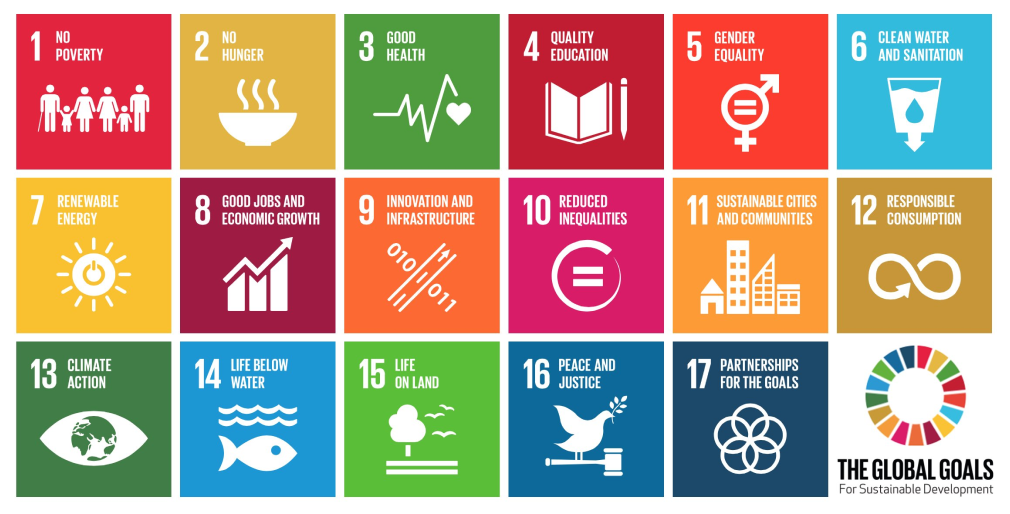 Based on the introduction presentations of 2019 and 2020, alongside the September 2024 portfolio. Historical plans are distinct from current project execution.
THE FOUNDING PHILOSOPHY
Amnaya’s introduction places commercial enterprise alongside transparency, accountability and the aim of extending benefits to more people.
Start with a need that matters to people. Consider how producers, communities, customers and other participants can share in the value a business creates.
The introduction identifies blockchain and AI as tools for developing new business models. Their role is to support clearer information, traceability and better decisions where the project calls for them.
Connect an idea to defined responsibilities, governance and evidence. Transparency and accountability form part of the founding proposition, alongside commercial viability.
Adapted from Amnaya’s 2019 and 2020 introduction presentations. These describe the group’s philosophy and intended framework.
THE PROJECT DEVELOPMENT FRAMEWORK
The abridged introduction describes four stages, from a sustainability theme to project delivery and longer-term development.
Identify a project idea in relation to the UN Sustainable Development Goals and the need it aims to address.
Bring research and professional expertise together to examine the idea, its context and its development requirements.
Review the project, seek suitable partners and funding, and define a team and approach for the intended geography.
Plan commissioning, stakeholder responsibilities, governance and subsequent funding or growth as the project develops.
THE CENTRE OF EXCELLENCE
The introduction sets out seven Global Centres as a framework for bringing different areas of expertise into project development.
Explore digital platforms, traceability and tools for better decisions. Technology choices should serve a defined business problem.
Develop clear responsibilities, decision rules and ethical standards for work across territories.
Consider research, innovation and the protection and use of intellectual property.
Examine energy value chains, development opportunities and investment considerations.
Consider how enterprise growth can support inclusion and broader participation in its benefits.
Develop venture models, consider funding needs and prepare businesses for responsible growth.
Bring cross-border commercial, legal and institutional perspectives into project planning.
Historical institutional framework from the introduction presentation; current staffing and operational status are not asserted.
COLLABORATION ACROSS MARKETS
The 2020 introduction organises its regional outlook across Asia Pacific, MENA, Eastern Europe and Russia, Western Europe, the US and Canada, Latin America, and Africa.
This is a framework for considering different markets and collaboration opportunities. Each project needs its own local research, suitable partners and relevant approvals.
The founding materials describe dynamic roles, governance-based alignment and people-centred participation. A project can bring researchers, technology specialists, industry practitioners and development partners together around a defined need.
Discuss a collaboration ↗Regional scope described in a historical presentation; it does not establish an operating office in each region.
THE AMNAYA FAMILY
THE PROJECT PORTFOLIO
Explore eight projects and their connected resources. Open a landing page or visit the project website.
FINANCIAL EXPLORER
Odisha solar · 100 MW proposal
Scenario analysis, not reported performance.
Adjust generation and tariff to see their effect on estimated annual revenue.
Formula: 100 MW × 8,760 hours × utilisation. Revenue = generation × tariff. Excludes degradation, taxes, financing and curtailment.The May 2025 Word file includes several inconsistent cases: ₹500–550 Cr and ₹1,000 Cr costs, 192 and 175.2 million kWh annual output, and differing return estimates. This explorer uses the explicit ₹520 Cr / 70:30 financing table, ₹2.90 tariff and ₹7.5 Cr operating cost. At exactly 22% utilisation, calculated generation is 192.72 million kWh, slightly above the source’s rounded 192 million. No audited group financial statements were identified in the reviewed set. No IRR or investment return is asserted here.
Open original financial proposal ↗PROJECT WEBSITES & FILMS
Open a project landing page, visit its dedicated website or watch its generated films.
Explore captive power, utility-scale renewable development and planned storage capabilities.
Explore project →Open website ↗Watch films (2) →
A bilingual plant-protein sourcing platform with customer and investor pathways.
Explore project →Open website ↗Watch films (8) →
A carpet and rug trade platform proposition focused on transparency, provenance and inclusive market access.
Explore project →Open website ↗Watch films (11) →
A proposed camel dairy, food and care portfolio inspired by Rajasthan.
Explore project →Open website ↗Project resources →
A proposed goat-cheese brand connecting sourcing, cheesemaking and customer experiences within AGVC Dairy.
Explore project →Open website ↗Project resources →
An agricultural value-chain initiative spanning tea, saffron, coffee, cotton and dairy.
Explore project →Open website ↗Project resources →
An Italy-focused olive-wine venture exploring a drink made from olives, with a distinctive Eleven11 brand identity.
Explore project →Project resources →
Pavilion Surshant Hospital: a proposed healthcare campus in Ayodhya connecting specialist care, research and patient-centred design.
Explore project →Open healthcare website ↗Watch the hospital film ↗THE KNOWLEDGE LIBRARY
Presentations, project papers and financial proposals from Amnaya’s Microsoft document collection.
Original documents open in Microsoft 365 with their existing permissions. Dates identify the source version, not a current project update.
LET’S BUILD WHAT COMES NEXT
Explore a project collaboration, a technology partnership or a consulting engagement.
Start a conversation ↗Opens an email draft to business@amnayacorp.com.